ResidentialFixtures
Fixing Dripping and Loose Faucets
A dripping tap wastes water and a loose one can crack the countertop seal. Most faucets can be repaired if parts are still made for them.
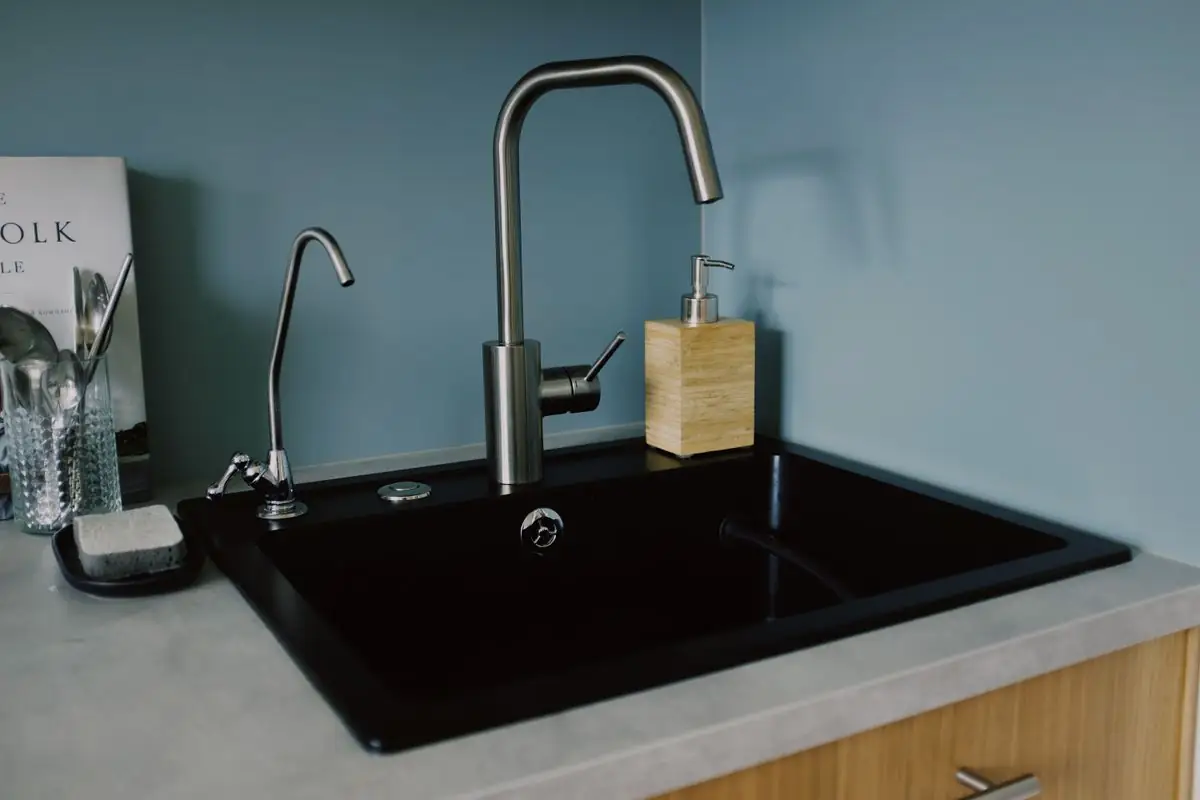
Stylish kitchen sink with faucet and soap dispenser in a minimalist setting.
- A plumber answers the phone, not a call centre
- The fix explained before the first wrench turns
- Floors protected and the work area cleaned
- Houses, plazas and kitchens from Cornell to Milliken
- Licensing details confirmed when you call
- Residential
- Commercial
- Markham & York Region
How the job runs
- Drips from the spout when closed.
- Water around the base when it is on.
- A lever that wobbles, sticks or jumps between hot and cold.
- A thin trickle from this tap while the others run strong.
- Drips inside the cabinet where the spray wand hose coils.
What's included on this job
What we open
The handle cap, the cartridge or stem, and the supply connections under the sink.
What we bring
Cartridge pullers, seat wrenches, basin wrench, and the manufacturer's repair kits.
What we replace
Cartridge, O-rings, seats and springs, or the whole faucet if parts are not available.
How we prove it
Faucet run hot and cold and turned off firmly with the spout and base watched dry.
Signs you need this
- Drip from the spout after turning it off
- Water pooling at the base
- Handle stiff or loose
- Low flow from one tap only
Why faucets fail here
Minerals in the water slowly build up inside cartridges, aerators and valve seats. That build-up stiffens handles and wears seals. Single-handle kitchen faucets in busy family homes get hundreds of uses a week. Older two-handle sets in heritage homes use compression washers that harden with age. Cheaper faucets from big-box stores can be hard to find parts for after a few years.
How we handle the job
- We identify the brand and model, which tells us which cartridge or valve it uses.
- We shut off the supply under the sink, protect the basin and take the faucet apart.
- We replace the cartridge, O-rings, washers or seats as needed.
- We clean the aerator and tighten the mounting nut from below.
- We test hot and cold, check for leaks and adjust the temperature limit stop.
Repair or replace?
If the faucet is good quality and parts are available, repair is usually worth it. If it is cheap, corroded, or parts are discontinued, a new faucet may cost less over time. We will give you the honest comparison.
From the van: Unscrew and soak the aerator in vinegar every few months. It restores flow in many cases without a service call.
Replacing a faucet
When we install a new one, we check the sink holes and deck plate, replace the supply lines, and make sure the shut-off valves underneath close fully. Seized shut-offs are common, and replacing them while the cabinet is empty saves a separate visit later.
Most drips come from a worn seal costing very little. The time is in getting the old cartridge out.
What changes the cost
Part availability, access under the sink, and whether shut-off valves need replacing all play a role.
Call before it gets worse
A drip that seems small adds up over a year, and a leak under the deck can rot a sink base.