Homeowner guideKitchen guide
Garbage Disposal Dos and Don’ts
A garbage disposal saves a few scrapes into the bin, but it cannot replace one. Use it the right way to avoid clogs and repairs.
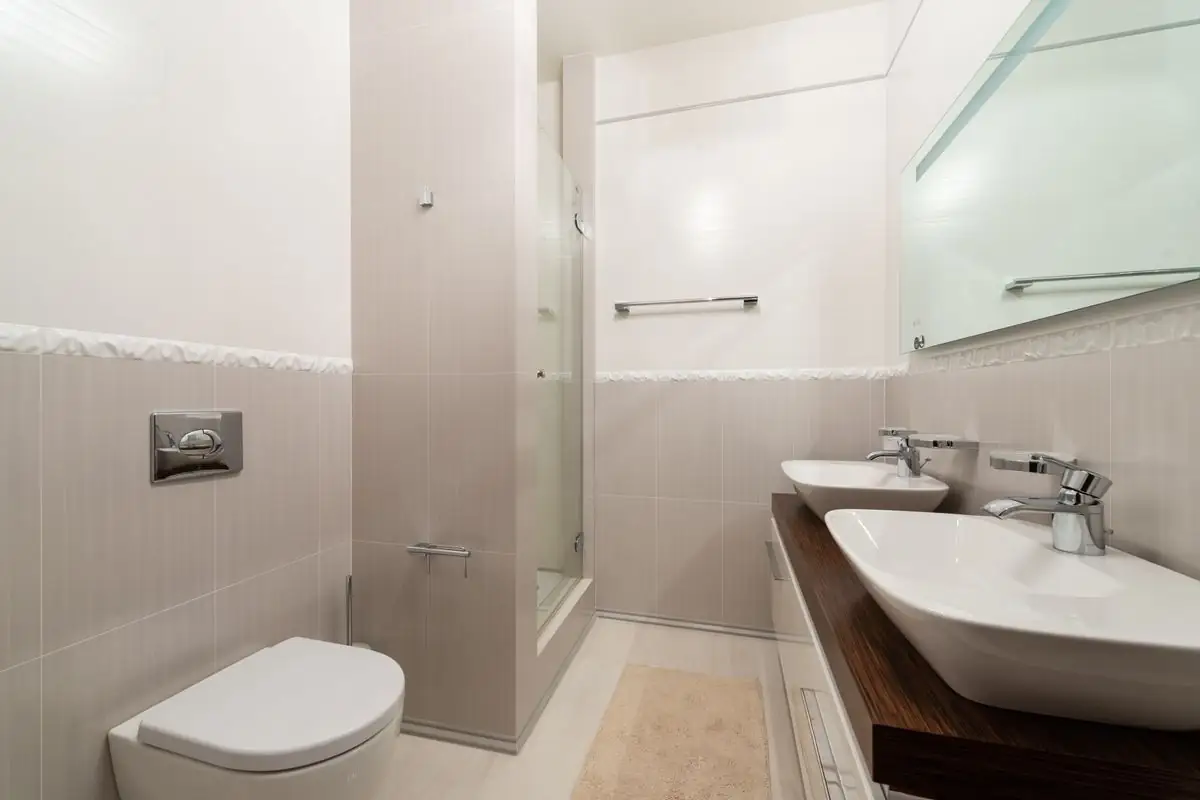
Bright and clean modern bathroom with shower, sinks, and toilet.
- Short steps a homeowner can follow safely
- What to check before you pick up the phone
- Clear signs it is time to call a plumber
- Markham and York Region notes where they matter
- Licensing details confirmed when you call
- Residential
- Commercial
- Markham & York Region
The short version
- Keep the cold tap running from start to finish, plus a little after.
- Feed small amounts of food at a time.
- Run it regularly to prevent rust and jams.
- Clean it with ice cubes and a little dish soap.
- Use citrus peels sparingly to freshen it.
Do not
- Pour grease, oil or fat into it.
- Put in fibrous foods like celery, corn husks or onion skins.
- Grind bones, fruit pits or shells.
- Dump large amounts of rice, pasta or potato peels.
- Use harsh chemical cleaners.
Why cold water?
With cold water, stray fat stays firm, gets chopped and rides out with the flow. Hot water melts fat, which can then cool and stick farther down the drain.
From the van: Humming with no spin means a jam: switch off, work the hex key in the socket on the bottom back and forth, then push the red reset.
Green bin first
York Region's green bin program accepts most food scraps. Use the green bin for large amounts of food waste, and the disposal only for small bits rinsed from plates.
When to call
Call us if the disposal leaks, keeps jamming, smells even after cleaning or will not start after a reset.
Smells and cleaning
An odour from the disposal usually means food film on the splash guard and grinding ring. Lift the rubber baffle and scrub its underside with an old toothbrush and dish soap. Grinding a handful of ice afterwards knocks residue off the chamber walls without chemicals.