ResidentialHot water
Fixing Tank Water Heaters
No hot water, lukewarm water, or water that runs out too soon: each has a short list of likely causes. We find which one before suggesting any replacement.
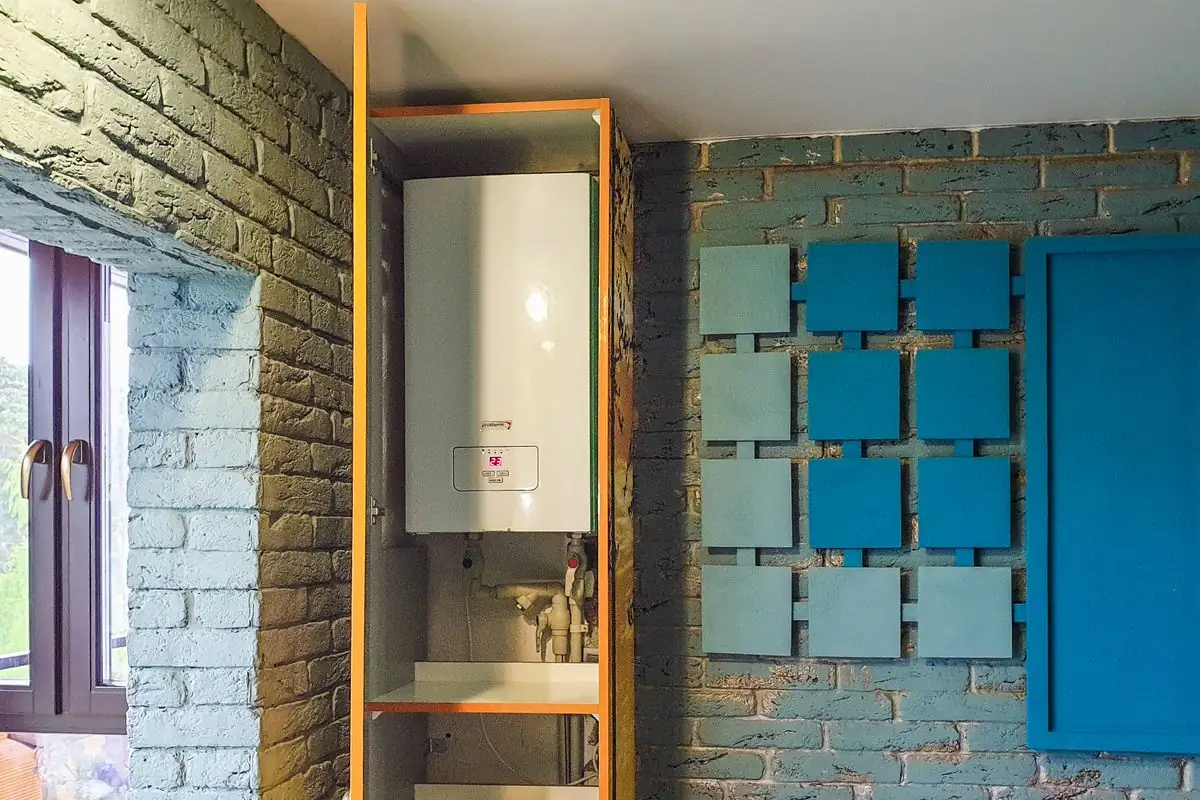
Indoor view of a water heater neatly installed in a cabinet with modern decor.
- Tank, burner, anode and relief valve checked in order
- Venting and drain pan looked at, not just the thermostat
- Repair-or-replace laid out with the reasons
- Hot water tested at the tap before we leave
- Licensing details confirmed when you call
- Residential
- Commercial
- Markham & York Region
How the job runs
- No hot water at all, or only for a minute or two.
- Water that smells like rotten eggs on the hot side only.
- Crackling or rumbling noises while the burner runs.
- Rust-coloured hot water.
- A pilot light that will not stay lit.
What's included on this job
What we open
The burner access cover on gas tanks, or the element panels on electric tanks.
What we bring
Multimeter, thermocouple and thermopile testers, element wrench, and a hose to drain the tank down.
What we replace
Thermocouple, flame sensor, igniter, heating element, thermostat, or a dip tube that has broken apart.
How we prove it
A full burn cycle watched start to finish and the temperature checked at the nearest tap.
Signs you need this
- Showers going cold halfway through
- Pilot light that will not stay lit
- Rumbling or popping while the burner runs
- Water that is lukewarm at every tap
Common causes we find in Markham
Most homes here run a 40 or 50 gallon gas tank, often power-vented through a side wall, and many are rented rather than owned. On those units we often find a failed thermocouple or flame sensor, a blocked intake screen, or a power-vent blower that trips on a safety switch. Electric tanks usually come down to a burnt element or thermostat. Sediment from the city supply settles at the bottom of every tank and makes the burner work harder and louder.
How we handle the job
- We check whether the tank is owned or rented. With a rental, your contract may say the owner of the tank must handle it.
- We read the data plate for age and model.
- We test the ignition, venting, gas supply and controls step by step.
- We tell you what failed, what the part costs and whether repair makes sense for the tank's age.
| Symptom | Usual suspect |
|---|---|
| Pilot goes out | Thermocouple, dirty pilot, draft |
| Not enough hot water | Sediment, dip tube, thermostat setting |
| Smelly hot water | Anode rod reacting with the water |
| Power vent will not start | Blocked exhaust, pressure switch, blower motor |
What changes the cost
Part availability, the age and brand of the heater, and whether the venting needs attention all play a part. On a tank past twelve years we may suggest putting the money toward replacement instead, and we explain why.
Most no-heat calls come down to a twenty-dollar part. The work is in proving which one.
Call before it gets worse
A heater that is struggling uses more gas or power to do less. And one that is leaking from the tank body cannot be fixed, only replaced.