Homeowner guideTroubleshooting
Why Do My Pipes Bang or Whistle?
Banging, whistling or rattling pipes are more than annoying. They can signal pressure problems or loose pipes that may lead to leaks.
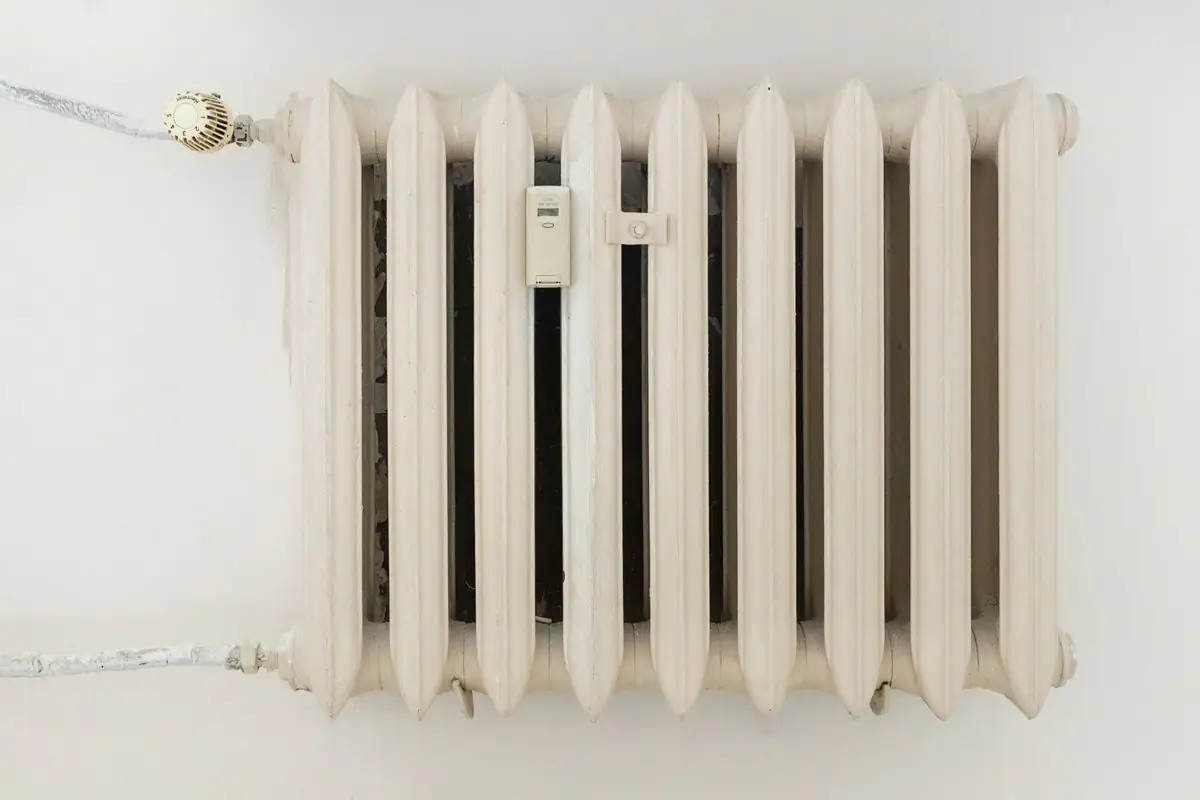
A classic white metal radiator on a plain wall, showcasing minimalist interior design.
- Short steps a homeowner can follow safely
- What to check before you pick up the phone
- Clear signs it is time to call a plumber
- Markham and York Region notes where they matter
- Licensing details confirmed when you call
- Residential
- Commercial
- Markham & York Region
The short version
- Common causes: high water pressure, fast-closing valves on washers and dishwashers.
- Fixes: install water hammer arrestors, lower pressure with a PRV, secure loose pipes.
Water hammer
A loud bang when a tap or appliance valve closes is called water hammer. The moving water stops suddenly and sends a shock through the pipes.
Whistling
Whistling usually means water squeezing past something: a half-shut valve, a tired washer or a narrowed fixture. Check shut-off valves under sinks and toilets. A failing toilet fill valve can also whistle.
Rattling
Rattling may mean pipes are loose in their straps or hangers. They can move and knock against framing when water flows. Securing them with proper clips can fix it.
Ticking
Hot water pipes can tick as they expand and contract. This is often harmless but can be reduced by adding space or padding where pipes pass through framing.
From the van: Check your water pressure with a hose bib gauge. If it is above 80 psi, a pressure-reducing valve may help.
When to call
If noises are new, loud or come with leaks, call us. We can find the source and suggest a fix.
Gurgling drains
A gurgle from a sink or tub is a drain sound, not a supply sound. Typically a trap is losing air to suction, because a vent is plugged or a line downstream is narrowing. Snow or a bird nest on a roof vent can cause it in winter or spring. Persistent gurgling deserves a look before it becomes a backup.