Homeowner guideWater quality
Hard Water in Markham: What It Does
Hard water is not a health risk, but it leaves scale on fixtures and inside appliances. Here is what it means for Markham homes.
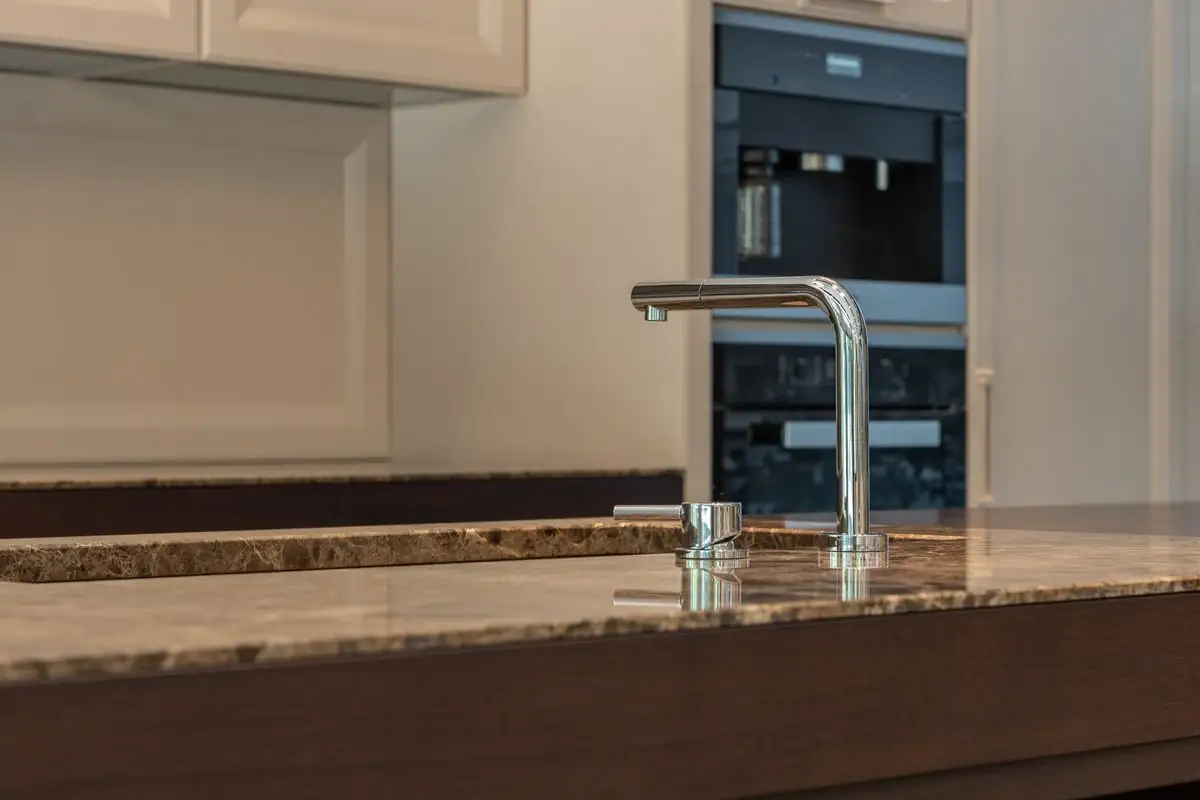
Shiny chrome faucet installed on marble tabletop in classic styled kitchen with wooden furniture and.
- Short steps a homeowner can follow safely
- What to check before you pick up the phone
- Clear signs it is time to call a plumber
- Markham and York Region notes where they matter
- Licensing details confirmed when you call
- Residential
- Commercial
- Markham & York Region
The short version
- Chalky white rims on spouts and shower faces.
- Spots on dishes and glasses.
- Soap scum in tubs and showers.
- Shorter life for water heaters and appliances.
- Dry skin or hair for some people.
What is hard water?
Hard water contains dissolved calcium and magnesium. These minerals come from rock and soil. When water is heated or evaporates, they leave scale.
Markham's water
Most of Markham receives treated Lake Ontario water. It is generally considered moderately hard. Exact numbers can vary, and the City of Markham publishes annual water quality reports. Rural properties on wells nearby may have much harder water, plus iron or sulphur.
What to do
| Option | What it does |
|---|---|
| Water softener | Removes minerals using salt-based ion exchange |
| Scale-reduction system | Reduces scale without removing minerals |
| Regular cleaning | Vinegar soaks for aerators and showerheads |
| Water heater flushing | Removes sediment and scale from tanks |
From the van: If you have a softener, consider leaving one tap unsoftened for drinking and cooking, which matters for anyone watching their salt intake.
Is it worth treating?
For many households, moderate hardness is a nuisance rather than a major problem. If you have a tankless water heater, high-end fixtures or simply hate the scale, a softener may be worthwhile. We can test your water and explain the options.
Kettles and coffee makers
Small appliances show hardness first. A kettle that crusts within weeks, or a coffee machine that slows down, tells you scale is forming everywhere hot water runs. Descaling those with citric acid every month or two is an easy way to gauge whether a whole-house system would earn its keep.